Understanding Grease Trap Systems and Maintenance Requirements
Grease trap pumping and cleaning represents one of the most critical maintenance services we provide at Express Septic, helping commercial kitchens and food service establishments maintain compliance while protecting municipal wastewater systems. We’ve witnessed firsthand how proper grease management prevents costly emergencies and environmental violations. Our comprehensive approach to grease trap maintenance combines decades of experience with modern pumping technology to ensure your system operates efficiently year-round.
Commercial kitchens generate substantial amounts of fats, oils, and grease (FOG) daily, with average restaurants producing between 150 to 250 pounds of grease waste monthly. Without proper interception and removal, these substances solidify in plumbing systems, creating blockages that can shut down operations and cause thousands of dollars in damage.
The Complete Grease Trap Pumping Process
When we arrive at your facility for grease trap pumping, our technicians begin with a thorough inspection of the entire system, checking inlet and outlet pipes, baffles, and the structural integrity of the trap itself. We measure grease accumulation levels using specialized dipstick tools that determine the exact thickness of the grease cap and settled solids layer. This data helps us track your trap’s accumulation patterns over time, allowing us to optimize your pumping schedule based on actual usage rather than generic estimates.
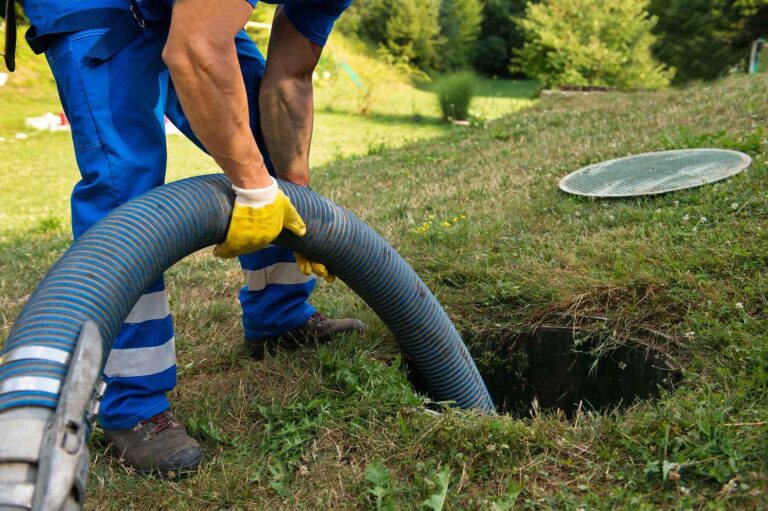
The pumping process involves completely removing all contents from your grease trap using our high-powered vacuum trucks equipped with specialized hoses designed to handle thick, viscous materials. We extract the floating grease layer, wastewater middle layer, and heavy settled solids at the bottom, ensuring complete evacuation of all waste materials. After pumping, we perform high-pressure water jetting to clean interior walls, removing stubborn grease deposits that regular pumping alone cannot eliminate. This thorough cleaning restores your trap’s full capacity and prevents the accelerated buildup that occurs when residual grease remains.
Signs Your Grease Trap Needs Immediate Attention
- Slow drainage: Water backing up in sinks or floor drains indicates grease accumulation restricting flow
- Foul odors: Rancid smells emanating from drains suggest decomposing grease and food particles
- Grease overflow: Visible grease appearing in unexpected locations signals trap capacity exceeded
- Frequent clogs: Recurring blockages downstream from the trap indicate inadequate maintenance intervals
- Failed inspections: Health department violations require immediate remediation to avoid fines
Regulatory Compliance and Environmental Protection
Municipal regulations typically require grease trap pumping every 30 to 90 days, depending on trap size and establishment volume. We maintain detailed service records documenting each pumping date, volume removed, and disposal location, providing you with complete compliance documentation for health inspections. Our commitment to proper waste disposal means all collected grease goes to certified processing facilities where it’s converted into biodiesel or other beneficial products rather than contaminating local water systems.
Environmental protection extends beyond simple compliance at Express Septic. We recognize that improperly maintained grease traps contribute to approximately 47% of all sanitary sewer overflows nationwide, releasing untreated wastewater into streets and waterways. By maintaining regular pumping schedules and performing thorough cleanings, we help prevent these environmental disasters while protecting your business from associated liability and cleanup costs.
Maximizing Grease Trap Efficiency and Longevity
Between our scheduled service visits, proper daily maintenance significantly extends trap effectiveness and reduces emergency service needs. We educate kitchen staff on best practices including scraping plates thoroughly before washing, using mesh screens in sink drains, and avoiding hot water flushes that liquify grease temporarily only to have it solidify further downstream. Our philosophy that “Little Things Mean A Lot” applies perfectly to grease management, where small daily actions prevent major problems.
Regular maintenance also extends equipment lifespan considerably. Grease traps subjected to overflow conditions and chemical corrosion from decomposing waste typically require replacement within five to seven years. However, properly maintained traps often function effectively for fifteen years or longer, representing significant capital savings for your operation. We inspect trap components during each service, identifying potential issues before they become expensive failures requiring complete system replacement.