Radiant Floor Heating Solutions Built for Comfort and Efficiency
Radiant floor heating represents one of the most advanced and comfortable methods of warming a home or commercial space available today. Instead of pushing heated air through ducts where energy can be lost, radiant systems deliver warmth directly through the floor, allowing heat to rise naturally and evenly throughout the room. This creates a consistent, draft-free environment that traditional forced-air systems simply cannot match. Walking across a warm tile floor on a cold morning is a luxury many homeowners describe as transformative once they experience it firsthand.
We have been designing, installing, and servicing radiant heating systems for decades, and our expertise extends to both hydronic and electric configurations. Serving The Basin Since 1977, we have witnessed the evolution of radiant technology from a niche luxury to a mainstream comfort solution that homeowners increasingly request during new construction and major renovations. Our technicians understand the nuances of subfloor preparation, tubing layout, manifold placement, and zone control programming that separate a mediocre installation from an exceptional one.
How Radiant Floor Heating Works
Hydronic radiant systems circulate heated water through flexible PEX tubing installed beneath or within the floor structure. A boiler or high-efficiency water heater warms the fluid, which then travels through a network of loops controlled by a manifold. Each loop typically serves a specific zone, allowing room-by-room temperature customization. The water returns to the heat source at a lower temperature, where the cycle begins again. Modern systems use variable-speed circulators and outdoor reset controls to match heat output precisely to demand, dramatically improving efficiency.
Electric radiant systems use resistance cables or heating mats embedded in thinset or laid beneath flooring materials. These systems excel in smaller applications such as bathrooms, kitchens, and additions where running new hydronic lines proves impractical. Electric options heat up quickly, require minimal maintenance, and pair beautifully with programmable thermostats that can warm specific areas at scheduled times of day. Both approaches offer significant advantages depending on the size of the project, the existing infrastructure, and the homeowner’s goals.
Installation Methods and Floor Compatibility
We approach every radiant installation with careful planning, beginning with a load calculation that accounts for room dimensions, ceiling height, insulation values, window placements, and climate factors specific to our region. The installation method depends largely on whether the project involves new construction, a major remodel, or a retrofit on an existing structure.
- Slab-on-grade installations embed PEX tubing directly within a concrete pour, providing tremendous thermal mass that releases heat slowly and steadily throughout the day.
- Thin-slab pours over existing subfloors add a lightweight concrete or gypsum layer that holds the tubing and conducts heat efficiently to the finished flooring above.
- Staple-up systems attach tubing to the underside of wood subfloors from below, often paired with aluminum heat transfer plates to improve conductivity in retrofit applications.
- Prefabricated panel systems feature grooved subfloor panels that accept tubing in a snap-fit pattern, dramatically reducing installation time on new construction projects.
Radiant heating works wonderfully under tile, stone, polished concrete, engineered hardwood, luxury vinyl plank, and even carpet when properly specified. Each flooring material has different thermal characteristics, and we help clients choose finishes that complement their radiant system rather than insulate against it.
Why Choose Professional Installation
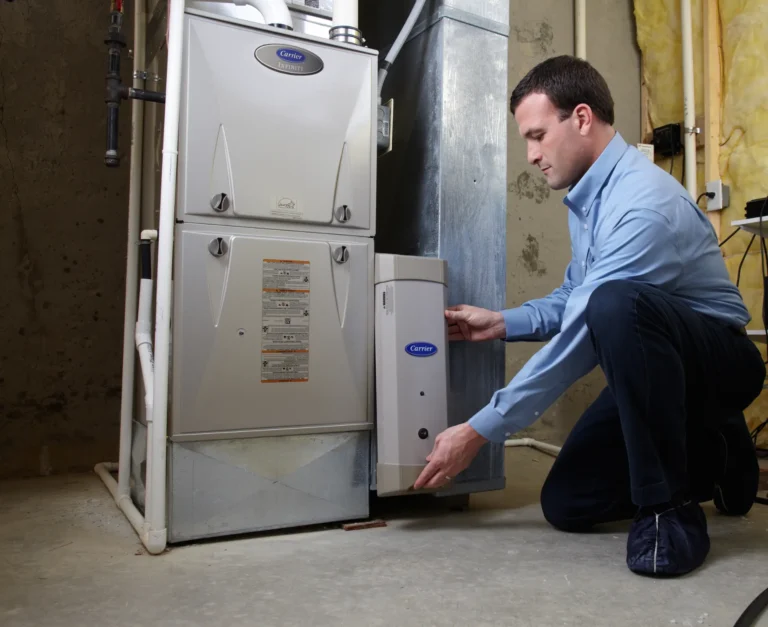
Radiant systems demand precision that simply cannot be improvised. Tubing spacing, loop length, flow rates, supply temperatures, and zoning strategy must all align with the structure’s heat loss profile. Basin Refrigeration maintains qualification as a Carrier Factory Authorized Dealer, reflecting our commitment to ongoing training and adherence to manufacturer specifications across the heating products we install. This level of certification translates directly into better outcomes for radiant floor projects, whether we are pairing the system with a modulating condensing boiler or integrating it alongside conventional HVAC equipment.
Our installation process follows several core principles that protect your investment and ensure long-term performance:
- Comprehensive site evaluation including structural assessment, insulation review, and identification of the most efficient heat source for your application.
- Detailed system design with CAD-generated tubing layouts, manifold schematics, and zone planning tailored to your floor plan and lifestyle.
- Pressure testing and documentation at multiple stages of installation to verify integrity before flooring materials cover the tubing permanently.
- Commissioning and homeowner training so you understand thermostat programming, manifold adjustments, and routine maintenance practices.
Long-Term Value and Energy Savings
Radiant floor heating typically operates at lower water temperatures than baseboard or forced-air systems, which means your heat source works less aggressively to deliver superior comfort. Homeowners often report noticeable reductions in energy bills after switching, particularly when radiant systems pair with high-efficiency boilers, heat pumps, or solar thermal sources. Beyond the financial benefits, radiant heating eliminates the noise, dust circulation, and uneven temperatures associated with ducted systems, making it an excellent choice for allergy sufferers and anyone seeking a quieter indoor environment.