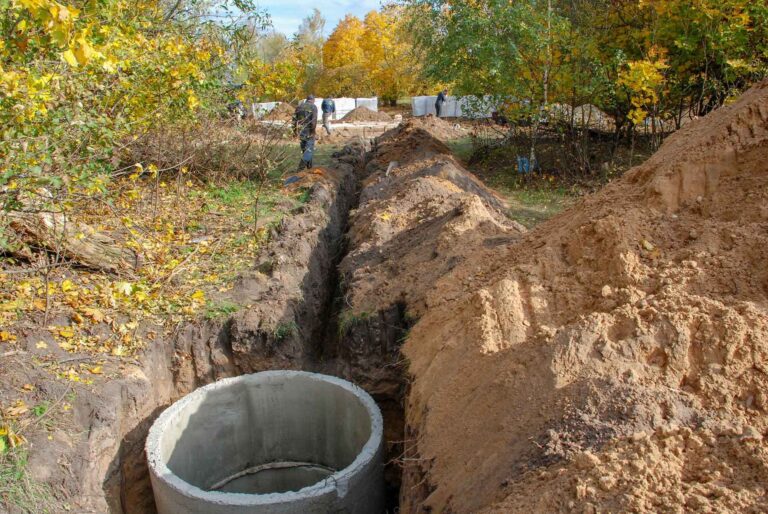
Understanding Utility Trenching and Backfill Operations
Utility trenching and backfill operations form the backbone of modern infrastructure development, requiring precision, expertise, and adherence to strict safety standards. At Basin Refrigeration, our comprehensive approach to these essential services ensures that underground utilities are installed correctly while minimizing disruption to existing structures and landscapes. We execute each project with meticulous attention to detail, from initial site assessment through final compaction testing, maintaining the high standards that have defined our work since 1977.
The process begins with thorough site evaluation and utility location services, utilizing advanced ground-penetrating radar and electromagnetic detection equipment to map existing underground infrastructure. This critical first step prevents costly damage to existing utilities and ensures compliance with state and federal dig-safe regulations. Our experienced operators then determine optimal trench routes, considering factors such as soil composition, water table levels, frost line depth, and proximity to structures. Each excavation follows engineered specifications for width, depth, and slope requirements specific to the utility being installed, whether for water mains, sewer lines, electrical conduits, gas pipelines, or telecommunications infrastructure.
Advanced Excavation Techniques and Equipment
Modern utility trenching demands sophisticated equipment and techniques adapted to varying soil conditions and project requirements. We deploy a comprehensive fleet including compact excavators for tight residential spaces, full-size hydraulic excavators for commercial projects, and specialized trenching machines for long-distance runs. For sensitive areas or locations with extensive existing utilities, we employ hydro excavation technology, using pressurized water and vacuum systems to safely expose and work around buried infrastructure without risk of damage.
Our excavation methodology accounts for OSHA requirements regarding trench safety, implementing proper shoring, benching, or sloping techniques based on soil classification and trench depth. Type A soils, consisting of cohesive materials like clay, allow for steeper slopes of 53 degrees, while Type C soils, including gravel and sand, require gentler 34-degree angles to prevent collapse. We install trench boxes or hydraulic shoring systems for excavations exceeding five feet in depth, ensuring worker safety while maintaining productivity. Little Things Mean A Lot when protecting both our team and your property during these operations.
Strategic Backfill and Compaction Procedures
Proper backfill and compaction represent critical phases that directly impact long-term utility performance and surface stability. We implement a systematic approach to backfilling that prevents settling, maintains proper utility support, and ensures surface integrity for years to come. The process typically involves multiple layers of carefully selected materials, each serving specific purposes in protecting utilities and providing structural support.
- Initial bedding layer: Clean, angular stone or sand placed beneath and around utilities to provide uniform support and prevent damage from sharp objects
- Primary backfill zone: Selected granular material extending 12 inches above utility crowns, mechanically compacted in 6-inch lifts
- Secondary backfill: Native soil or imported fill material placed in lifts not exceeding 12 inches, compacted to 95% Standard Proctor density
- Surface restoration: Final grading, topsoil replacement, and landscaping or pavement restoration as required
Quality Control and Testing Standards
Throughout our utility trenching and backfill operations, we maintain rigorous quality control protocols that exceed industry standards. Compaction testing occurs at regular intervals using nuclear density gauges or other approved methods to verify achievement of specified density requirements. This testing documentation becomes part of the permanent project record, providing assurance of proper installation for utility owners and regulatory agencies.
We coordinate closely with local utilities and municipalities throughout the the Greater Moses Lake Area to ensure compliance with specific requirements for different utility types. Water main installations require chlorination and pressure testing before backfill, while sewer lines undergo mandrel testing and video inspection to verify proper grade and joint integrity. Electrical and communication conduits receive continuity testing and pull string installation before final backfill approval. As a Carrier Factory Authorized Dealer, we bring the same commitment to excellence from our HVAC operations to every utility installation project.
Our comprehensive utility trenching and backfill services integrate seamlessly with our broader infrastructure capabilities. Whether supporting new construction projects, or planned utility upgrades in Moses Lake, Ephrata, Othello, Cascade Valley & Soap Lake, WA, we deliver reliable results that stand the test of time. By combining traditional excavation expertise with modern technology and safety practices, Basin Refrigeration continues to set the standard for utility installation excellence, ensuring that underground infrastructure supports community growth and development for generations to come.