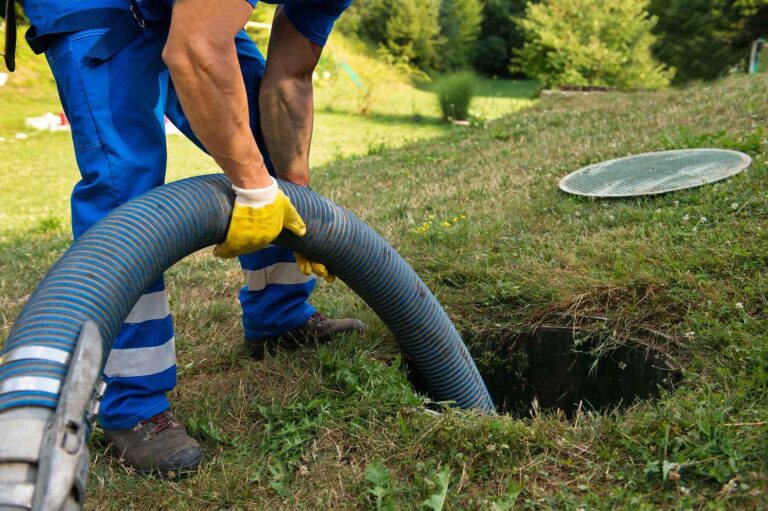
Understanding Your Drain Field System
Your drain field represents one of the most critical components of your septic system, responsible for the final treatment and dispersal of wastewater from your property. At Express Septic, we’ve been diagnosing and resolving drain field issues throughout the region since 1977, giving us unparalleled insight into the unique soil conditions and environmental factors that affect these systems locally. The drain field, also known as a leach field or absorption field, consists of perforated pipes laid in gravel-filled trenches that allow treated effluent to slowly percolate through the soil, where natural bacteria complete the purification process before the water rejoins the groundwater system.
When functioning properly, your drain field should operate invisibly and odorlessly for decades. However, various factors can compromise its effectiveness, including soil compaction from vehicle traffic, root intrusion from nearby trees, biomat buildup from years of use, or simple aging of system components. We understand that early detection and intervention can mean the difference between a minor repair and complete system replacement, which is why our comprehensive diagnostic approach examines every aspect of your drain field’s performance.
Signs Your Drain Field Needs Professional Attention
Recognizing the warning signs of drain field failure can save you thousands of dollars and prevent environmental contamination around your property. We frequently encounter homeowners who notice standing water or soggy areas above their drain field, particularly after heavy water usage or during periods of minimal rainfall when the issue isn’t masked by surface water. These wet spots often accompany a distinct sewage odor that becomes more pronounced during warm weather when bacterial activity increases. Inside your home, you might experience slow drains throughout the property, gurgling sounds in plumbing fixtures, or sewage backup in lower-level drains and toilets.
Our diagnostic process involves multiple assessment techniques to accurately determine the extent and nature of drain field problems. We perform percolation tests to evaluate soil absorption rates, use specialized cameras to inspect distribution boxes and lateral lines, and measure the thickness of the biomat layer that naturally forms at the soil interface. Additionally, we analyze the hydraulic loading of your system compared to its original design capacity, as many older systems struggle to handle the increased water usage of modern households that average 70-80 gallons per person daily.
Repair Solutions and Restoration Techniques
When we identify repairable issues in your drain field, we employ various restoration techniques tailored to your specific situation. Our repair methodology includes:
- Jetting and mechanical cleaning: High-pressure water jetting can remove accumulated biomat and restore flow through clogged distribution lines
- Chemical treatment programs: Specialized bacterial additives and enzymes can break down organic buildup and rejuvenate soil absorption capacity
- Distribution box repairs: Leveling and sealing distribution boxes ensures equal flow to all lateral lines
- Partial field restoration: Replacing damaged sections while preserving functional areas minimizes disruption and cost
- Aeration system installation: Adding oxygen to the treatment process enhances bacterial activity and extends field life
Complete Drain Field Replacement Process
Sometimes, despite our best repair efforts, complete drain field replacement becomes necessary to protect your property and ensure reliable wastewater treatment. Our replacement process begins with comprehensive site evaluation, including soil testing, percolation analysis, and review of local health department requirements. We design new systems to current environmental standards, which often differ significantly from regulations when older systems were installed. Modern drain fields incorporate advanced materials like chamber systems or gravelless pipe that provide greater storage capacity and improved treatment efficiency compared to traditional gravel trenches.
During replacement, we carefully coordinate excavation to minimize landscape disruption while ensuring proper field dimensions and slope gradients for optimal performance. Our installation teams understand that “Little Things Mean A Lot” when constructing drain fields, from maintaining precise pipe slopes to properly compacting backfill materials. We install monitoring ports and cleanouts at strategic locations, enabling future maintenance access without excavation.
Ensuring Long-Term System Success
Following repair or replacement, we provide comprehensive guidance on maintaining your drain field’s health for maximum longevity. This includes educating you about water conservation measures that reduce hydraulic stress, identifying inappropriate materials that should never enter your septic system, and establishing regular pumping schedules based on household size and usage patterns. Express Septic maintains qualification as a Carrier Factory Authorized Dealer, demonstrating our commitment to ongoing education and technical excellence across all our service divisions.