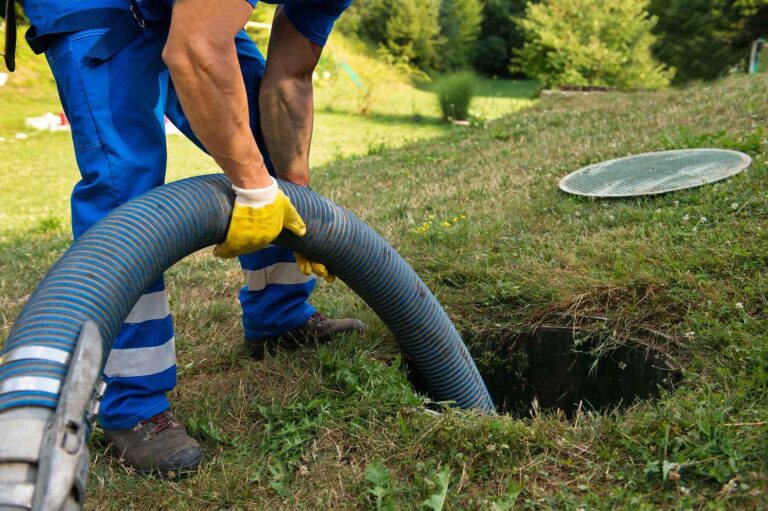
Understanding Septic Line and Pipe Damage
Septic line and pipe repair represents one of the most critical maintenance needs for properties relying on private wastewater systems. When septic pipes fail, the consequences extend far beyond simple inconvenience. Raw sewage backup, environmental contamination, and complete system failure can result from neglected pipe issues. At Express Septic, we’ve been addressing these challenges since 1977, bringing comprehensive diagnostic capabilities and repair expertise to every situation.
The complexity of septic pipe systems often surprises property owners. These networks include inlet pipes carrying wastewater from your home, distribution boxes managing flow to drain fields, and perforated pipes dispersing treated effluent throughout the absorption area. Each component faces unique stresses from root intrusion, ground settlement, temperature fluctuations, and biological processes occurring within the system. Our technicians understand how these factors interact, allowing us to identify not just obvious failures but also developing problems that could escalate into major repairs without intervention.
Advanced Diagnostic Techniques
Modern septic line diagnosis has evolved dramatically from the excavation-heavy approaches of previous decades. We employ camera inspection technology that provides real-time visual assessment of pipe interiors without disturbing landscaping or structures. These high-resolution cameras navigate through pipes as small as two inches in diameter, revealing cracks, blockages, root masses, and structural deterioration that would otherwise remain hidden until catastrophic failure occurs.
Beyond visual inspection, we utilize electronic locating equipment to map underground pipe routes precisely. This technology proves invaluable when dealing with older systems where original installation records have been lost or when previous modifications went undocumented. The combination of visual and electronic diagnostics enables targeted repairs that minimize excavation while maximizing repair effectiveness. Industry studies indicate that properties receiving regular camera inspections experience 60% fewer emergency septic failures compared to those relying solely on reactive maintenance approaches.
Comprehensive Repair Solutions
Our repair methodologies adapt to each situation’s specific requirements. Traditional excavation and replacement remains necessary for severely damaged sections, particularly when pipes have collapsed or separated completely. However, trenchless repair technologies now allow us to address many issues without extensive digging. Pipe lining involves inserting resin-saturated fabric tubes into damaged pipes, creating new pipe walls within existing structures. This approach works exceptionally well for pipes suffering from minor cracks, joint separation, or moderate root intrusion.
Pipe bursting offers another trenchless solution for situations requiring complete pipe replacement. This technique involves pulling new pipes through old ones while simultaneously fracturing the deteriorated pipes outward into surrounding soil. The process maintains existing pipe routes while installing modern materials resistant to root intrusion and ground movement. These advanced techniques reflect our commitment to providing solutions that minimize property disruption while delivering long-lasting results.
Common Septic Pipe Problems We Address
- Root intrusion: Tree and shrub roots naturally seek moisture, making septic pipes attractive targets that can become completely blocked over time
- Pipe bellying: Ground settling creates low spots where waste accumulates instead of flowing properly toward the tank
- Offset joints: Ground movement separates pipe connections, creating gaps where soil enters and sewage leaks
- Corrosion damage: Older concrete and clay pipes deteriorate from hydrogen sulfide gas exposure common in septic environments
- Frozen pipes: Shallow installations or insufficient use during winter months leads to ice blockages requiring careful thawing procedures
Preventive Maintenance and Long-Term Care
Regular maintenance prevents most septic pipe failures from developing into emergencies. We recommend annual inspections for systems over ten years old or those serving large households. These inspections identify developing issues when repair costs remain manageable and system disruption stays minimal. Enzyme treatments help maintain biological balance within pipes, reducing solid accumulation that contributes to blockages.
Property owners should understand warning signs indicating potential pipe problems. Slow drains throughout the house, gurgling sounds from plumbing fixtures, sewage odors near the tank or drain field, and unusually lush grass growth along pipe routes all suggest developing issues. Early intervention when these symptoms appear typically costs significantly less than emergency repairs after complete failure occurs. Little things mean a lot when maintaining septic systems, and attention to these details prevents major problems.