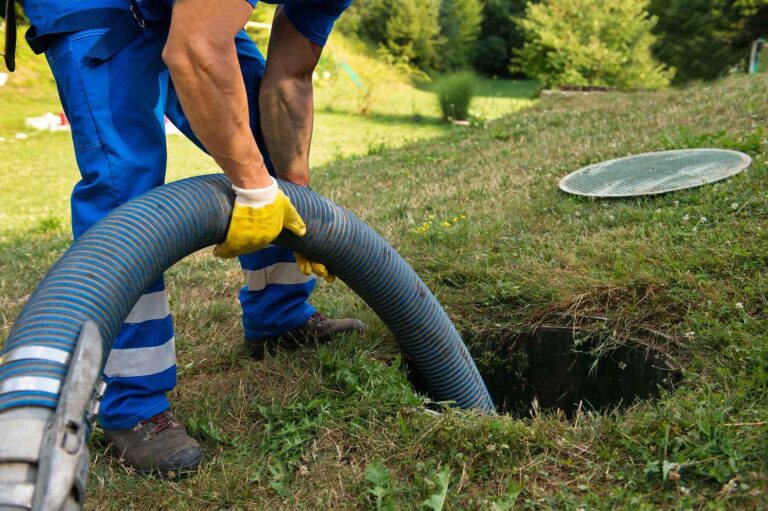
Understanding Modern Septic System Installation
When you’re building in areas beyond municipal sewer lines, a properly installed septic system becomes essential for managing household wastewater. At Express Septic, we’ve been installing these critical systems throughout the Basin region since 1977, combining decades of experience with modern installation techniques to ensure your system operates efficiently for years to come. Our installation process begins with comprehensive site evaluation, including soil percolation tests, groundwater level assessments, and careful analysis of your property’s topography to determine the optimal system placement and design.
Every property presents unique challenges, from varying soil compositions to different household sizes and water usage patterns. We carefully calculate the required tank capacity based on your home’s bedroom count and anticipated daily flow rates, typically ranging from 1,000 to 2,500 gallons for residential properties. The drain field sizing follows equally precise calculations, with most residential systems requiring between 300 and 1,000 square feet of absorption area depending on soil percolation rates and daily wastewater volume.
Critical Components and Installation Process
A complete septic system installation involves multiple interconnected components that must work together seamlessly. The primary tank, constructed from precast concrete, fiberglass, or polyethylene, serves as the initial treatment chamber where solids settle and begin decomposition through anaerobic bacterial action. We install inlet and outlet baffles to prevent scum layers from entering the drain field while ensuring proper flow dynamics within the tank. The distribution system, whether gravity-fed or pressure-dosed, requires precise grading and pipe placement to ensure even wastewater distribution across the entire drain field area.
During excavation, we maintain specific depths and grades according to local health department regulations and engineering specifications. The tank must sit level on a properly prepared base, typically consisting of compacted sand or gravel, to prevent settling that could compromise pipe connections or tank integrity. Distribution pipes in the drain field require careful placement within gravel beds, maintaining consistent slopes between 0.5% and 2% to promote proper drainage without causing erosion or biomat formation. We install inspection ports and cleanouts at strategic locations, providing easy access for future maintenance and monitoring.
Site Preparation and Environmental Considerations
Before breaking ground, we conduct thorough site assessments to identify potential challenges and ensure compliance with setback requirements from wells, property lines, surface waters, and structures. Soil testing reveals crucial information about percolation rates, seasonal high water tables, and the presence of restrictive layers that might affect system performance. These factors determine whether conventional gravity systems suffice or if alternative designs like mound systems, sand filters, or aerobic treatment units become necessary.
Environmental protection remains paramount throughout our installation process. We implement erosion control measures during construction, protecting nearby water resources from sediment runoff. Proper system sizing and installation prevent groundwater contamination, protecting both your property and the broader watershed. In areas with sensitive ecosystems or high water tables, we install advanced treatment systems that provide additional pollutant removal before effluent reaches the soil absorption area.
System Types and Selection Criteria
We install various septic system configurations to match specific site conditions and regulatory requirements:
- Conventional gravity systems: utilize natural slope for wastewater movement from tank to drain field
- Pressure distribution systems: employ pumps to ensure uniform effluent distribution across the absorption area
- Aerobic treatment units: introduce oxygen to accelerate waste decomposition and improve effluent quality
- Mound systems: elevate the drain field above natural grade when soil conditions prove unsuitable
Each system type offers distinct advantages depending on your property’s characteristics. Conventional systems provide reliable, low-maintenance operation in areas with suitable soils and adequate separation from groundwater. Pressure systems excel on sites with variable topography or where uniform distribution proves critical for system longevity. Advanced treatment units meet stringent discharge standards required near sensitive water bodies or in areas with poor soil conditions.
Ensuring Long-Term Performance
Proper installation techniques directly impact system longevity and performance. We compact backfill materials in controlled lifts around tanks and pipes, preventing future settling while avoiding damage to system components. Strategic placement of risers brings access ports to grade level, simplifying future pumping and inspections. Our attention to detail during installation, from proper pipe bedding to careful compaction around tanks, reflects our commitment that “Little Things Mean A Lot” in creating reliable wastewater systems.
Following installation, we provide comprehensive system documentation, including as-built drawings, component specifications, and maintenance recommendations tailored to your specific system configuration, ensuring you understand your system’s operation and maintenance requirements for optimal long-term performance.