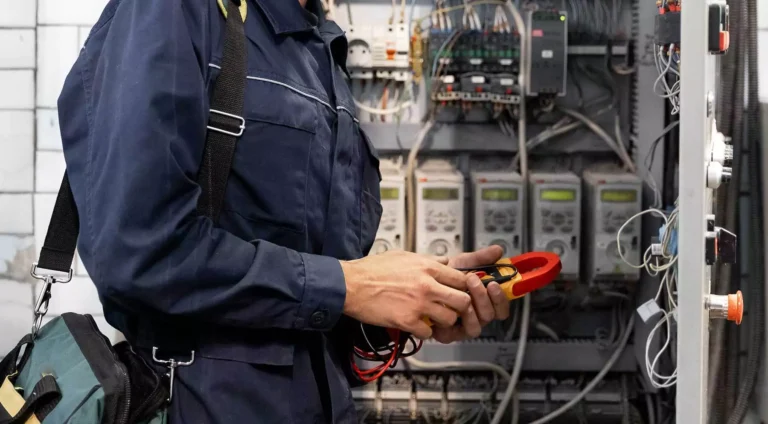
Understanding When Your Electrical Panel Needs Replacement
Your home’s electrical panel serves as the central hub for all electrical distribution throughout your property. We recognize that many homeowners don’t think about their electrical panel until problems arise, but regular assessment of this critical component can prevent dangerous situations and costly emergency repairs. Electrical panels typically last between 25 to 40 years, though factors like moisture exposure, power surge damage, and increasing electrical demands can significantly shorten this lifespan. If your home still has a Federal Pacific, Zinsco, or Pushmatic panel, immediate replacement is crucial as these brands have documented safety issues including fire hazards.
At Basin Refrigeration, we’ve been serving the Basin since 1977, and our experienced electricians frequently encounter panels showing clear warning signs of failure. These indicators include frequent circuit breaker trips, burning smells near the panel, visible rust or corrosion, buzzing or crackling sounds, and lights that flicker when large appliances turn on. Modern households consume significantly more electricity than homes built decades ago, with the average American home now using approximately 10,715 kilowatt-hours annually compared to just 5,000 kilowatt-hours in the 1970s. This increased demand often overwhelms older panels designed for simpler electrical needs.
The Technical Process of Panel Replacement
Replacing an electrical panel involves intricate technical work that requires professional expertise and adherence to current National Electrical Code standards. We begin every panel replacement project with a comprehensive load calculation to determine the appropriate amperage for your home’s current and future needs. Most modern homes require 200-amp service, though larger properties or those with electric vehicle charging stations, pools, or workshops may need 400-amp service. The replacement process starts with obtaining proper permits from local authorities, ensuring all work meets code requirements and passes inspection.
During the actual replacement, we coordinate with your utility company to safely disconnect power at the meter. Our technicians then systematically document existing circuit configurations before removing the old panel. We install the new panel box, ensuring proper grounding and bonding according to current codes. Each circuit gets carefully transferred to the new panel with updated circuit breakers sized appropriately for their loads. Modern panels include arc-fault circuit interrupters and ground-fault circuit interrupters for enhanced safety protection. The entire process typically takes six to eight hours for a standard residential replacement, though complex installations may require additional time.
Benefits of Modern Electrical Panel Technology
Today’s electrical panels incorporate advanced safety features and improved functionality that older models simply cannot match. Smart panels now entering the market offer real-time energy monitoring through smartphone apps, allowing homeowners to track consumption patterns and identify energy waste. These systems can automatically shed non-essential loads during peak demand periods, potentially reducing electricity bills by 15-20 percent. Modern panels also accommodate solar installations and battery backup systems more effectively, preparing homes for renewable energy integration.
We install panels featuring copper bus bars rather than aluminum, providing better conductivity and reduced heat generation. Quality panels include surge protection capabilities, defending sensitive electronics against voltage spikes that cause billions in damage annually across the United States. Updated panels improve home insurance rates, as insurance companies recognize the reduced fire risk associated with modern electrical systems. Many insurers offer premium discounts ranging from 5-10 percent for homes with recently upgraded electrical panels.
Planning Your Electrical Panel Upgrade
Successful panel replacement requires careful planning and consideration of both current and future electrical needs. We evaluate your household’s electrical consumption patterns, considering factors like:
- Home additions or renovations: planned expansions requiring additional circuits
- Electric vehicle charging: Level 2 chargers typically require 240-volt circuits with 40-50 amp capacity
- Home office equipment: dedicated circuits for sensitive computer equipment
- HVAC upgrades: modern heat pumps and air conditioning systems often require larger electrical capacity
- Kitchen and bathroom renovations: updated appliances and code-required GFCI protection
Throughout the Greater Moses Lake Area, older homes frequently have 100-amp or even 60-amp service that cannot support modern electrical demands. We assess whether service entrance cables and meter equipment also need upgrading to handle increased capacity. Our comprehensive approach ensures your electrical infrastructure supports your lifestyle while maintaining safety and efficiency. At Basin Refrigeration, our motto “Little Things Mean A Lot” drives our attention to every detail of your electrical panel replacement, from proper torque specifications on connections to neat wire management that facilitates future maintenance. We coordinate with Moses Lake, Ephrata, Othello, Cascade Valley & Soap Lake, WA inspection departments to ensure smooth permit approval and final inspection processes, minimizing disruption to your daily routine while delivering code-compliant installations that provide decades of reliable service.