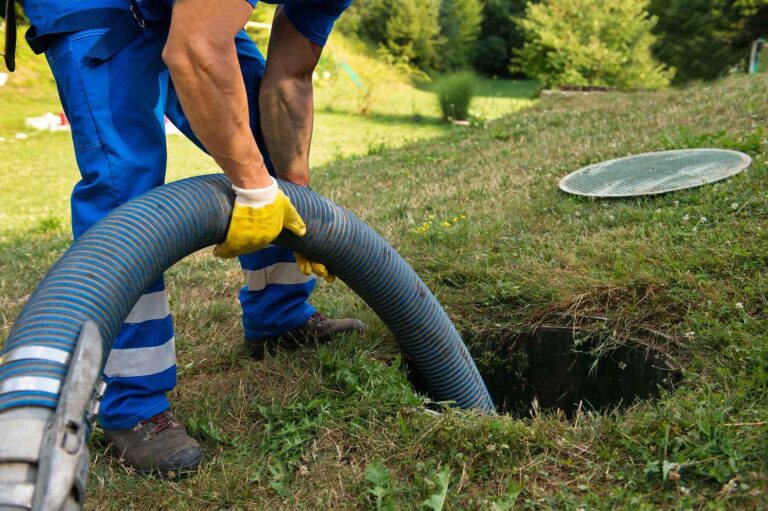
Understanding Modern Septic System Design and Installation
When you’re planning a septic and drainfield installation for your property, understanding the complexity of modern wastewater management systems becomes essential for making informed decisions. At Express Septic, we’ve been serving the Basin since 1977, bringing decades of experience to every septic system we design and install. Our approach combines traditional craftsmanship with cutting-edge technology to create systems that perform reliably for decades while meeting all current environmental regulations and health department requirements.
The septic system installation process begins with comprehensive soil testing and percolation analysis to determine the optimal location and design for your specific property. We conduct detailed site evaluations that examine soil composition, groundwater levels, property topography, and existing utilities to ensure your new system integrates seamlessly with your land’s natural characteristics. These preliminary assessments form the foundation of a properly functioning septic system that will serve your household or commercial property efficiently while protecting groundwater resources and maintaining environmental integrity.
Critical Components of Professional Drainfield Installation
A properly installed drainfield represents the most crucial element of your septic system’s long-term performance and efficiency. We design each drainfield based on specific household size, water usage patterns, and soil absorption rates to ensure optimal wastewater treatment and dispersal. The drainfield installation process involves precise excavation techniques, careful placement of distribution boxes, and meticulous installation of perforated pipes within gravel beds that facilitate proper effluent distribution across the absorption area.
Our installation teams utilize advanced laser-level technology to achieve exact slopes and grades throughout the drainfield, ensuring uniform distribution of wastewater and preventing potential system failures caused by improper drainage patterns. We select high-quality materials including Schedule 40 PVC pipes, properly sized aggregate, and geotextile fabrics that prevent soil migration while maintaining system permeability. Each component plays a vital role in the biological treatment process that occurs within the drainfield, where naturally occurring bacteria break down organic matter and the soil provides final filtration before water returns to the groundwater table.
Installation Process and Technical Specifications
The installation of a complete septic system typically requires between three to five days, depending on site conditions, system complexity, and weather factors. We begin by establishing proper setbacks from wells, property lines, and structures according to local health department regulations, which typically require minimum distances of 100 feet from wells and 10 feet from property boundaries. Our excavation process carefully preserves topsoil for later restoration while creating precise dimensions for tank placement and drainfield construction.
Tank installation demands exceptional attention to detail, from ensuring proper inlet and outlet elevations to verifying structural integrity through water testing before backfilling. We install concrete, fiberglass, or polyethylene tanks based on site-specific requirements and customer preferences, with capacities ranging from 1,000 gallons for smaller residential applications to 3,000 gallons or larger for commercial properties. The connection between septic tank and drainfield requires precise pipe slopes of one-quarter inch per foot to maintain proper flow velocity without causing solids to settle in distribution lines.
Regulatory Compliance and System Longevity
Throughout the Greater Moses Lake Area, septic system installations must comply with stringent health department regulations and environmental protection standards that govern everything from system sizing to installation procedures. We handle all permitting requirements, coordinate necessary inspections, and maintain detailed documentation that protects your investment and ensures regulatory compliance. Our commitment to quality means we exceed minimum standards whenever possible, incorporating features like effluent filters, risers for easy access, and monitoring ports that simplify future maintenance and extend system lifespan.
- Site evaluation and soil testing: Comprehensive analysis determines optimal system placement and design specifications
- Permit acquisition and regulatory coordination: We manage all paperwork and scheduling with local health departments
- Professional excavation and installation: Skilled operators ensure precise grading and component placement
- System testing and certification: Thorough inspection verifies proper operation before final approval
- Restoration and landscaping: Complete site restoration returns your property to pristine condition
Regular maintenance and proper usage habits significantly impact septic system longevity, with well-maintained systems typically functioning effectively for twenty to thirty years or longer. We provide comprehensive education about system operation, including recommended pumping schedules, water conservation strategies, and materials that should never enter your septic system. Little things mean a lot when maintaining these essential systems, and our ongoing support ensures your investment continues performing optimally year after year.