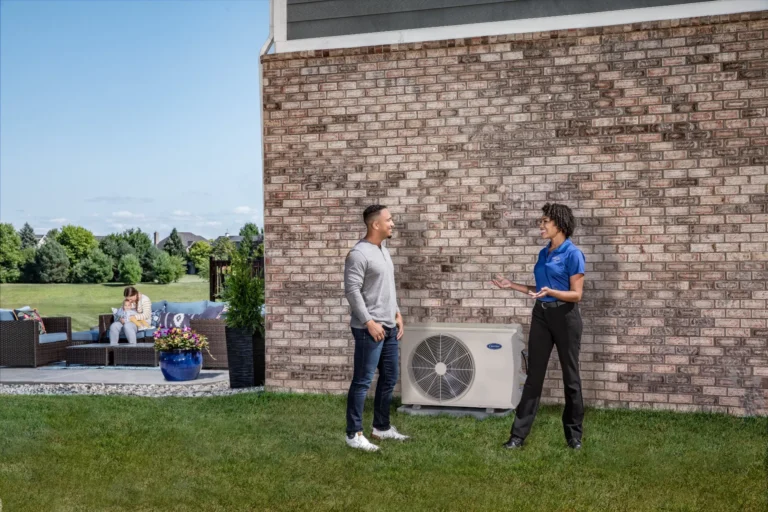
Heat Pumps: Efficient Year-Round Comfort for Your Home
At Basin Refrigeration, we have been helping homeowners achieve reliable, energy-efficient heating and cooling since 1977. Over those decades of serving the basin, we have witnessed the remarkable evolution of heat pump technology from a niche alternative into one of the most popular and efficient HVAC solutions available today. Whether you are building a new home, replacing an aging system, or looking to reduce your energy bills, a heat pump offers a versatile solution that delivers both heating and cooling from a single unit.
How Heat Pumps Work
Unlike traditional furnaces that generate heat by burning fuel, heat pumps transfer thermal energy from one location to another using a refrigerant cycle. During the winter months, the system extracts heat from the outdoor air, even at temperatures well below freezing, and moves it indoors to warm your living space. In summer, the process reverses entirely, pulling heat from inside your home and expelling it outdoors, functioning exactly like a high-efficiency air conditioner.
The core components of a heat pump system include an outdoor compressor unit, an indoor air handler or coil, a reversing valve that switches between heating and cooling modes, an expansion valve, and refrigerant lines connecting the indoor and outdoor units. The reversing valve is the critical component that distinguishes a heat pump from a standard air conditioner. When this valve shifts position, it redirects the flow of refrigerant, allowing the system to provide warmth instead of cooling. Modern variable-speed compressors adjust their output to match the exact demand of your home, which dramatically reduces energy consumption compared to older single-stage systems that cycle on and off repeatedly.
Types of Heat Pumps We Install
Air-source heat pumps remain the most widely installed type across residential properties. These systems have seen tremendous efficiency improvements in recent years, with modern units achieving Seasonal Energy Efficiency Ratios of 18 or higher and Heating Seasonal Performance Factors exceeding 10. According to the Department of Energy, today’s air-source heat pumps can reduce electricity use for heating by approximately 50 percent compared to electric resistance heating systems like furnaces and baseboard heaters.
Ductless mini-split heat pumps represent another excellent option, particularly for homes without existing ductwork, room additions, or areas that need supplemental climate control. These systems connect a compact outdoor unit to one or more indoor wall-mounted heads, providing zoned comfort without the energy losses associated with traditional duct systems. Duct losses alone can account for more than 30 percent of energy consumption in a central forced-air system, making ductless options an attractive alternative. Basin Refrigeration maintains qualification as a Carrier Factory Authorized Dealer, giving us access to some of the most advanced and reliable heat pump equipment on the market.
Benefits of Choosing a Heat Pump
Heat pumps deliver an impressive range of advantages that make them suitable for a wide variety of homes and climates. The dual functionality of heating and cooling from one system simplifies maintenance, reduces the number of mechanical components in your home, and lowers overall installation complexity compared to separate furnace and air conditioner setups.
- Energy efficiency that can cut heating costs by up to 50 percent compared to conventional electric heating
- Year-round comfort from a single system that handles both heating and cooling demands
- Improved indoor air quality through advanced filtration and consistent air circulation
- Lower carbon footprint because heat pumps transfer heat rather than generating it through combustion
- Quiet operation with modern variable-speed compressors producing significantly less noise than older equipment
- Long system lifespan averaging 15 to 20 years with proper professional maintenance
Professional Installation and Ongoing Support
Proper sizing and installation are absolutely essential for heat pump performance. An oversized unit will short-cycle, leading to humidity problems, uneven temperatures, and premature component wear. An undersized system will struggle to maintain comfort during extreme weather. Our technicians perform detailed Manual J load calculations to determine the precise heating and cooling requirements of your home before recommending equipment. This process accounts for insulation levels, window specifications, square footage, ceiling heights, and local climate data.
Once your heat pump is installed, routine maintenance keeps it running at peak efficiency for years. We recommend scheduling professional tune-ups at least twice annually, once before the cooling season and once before heating season. These visits include checking refrigerant levels, cleaning coils, inspecting electrical connections, testing the reversing valve, and verifying thermostat calibration. At Basin Refrigeration, we are committed to providing expert guidance throughout every phase of ownership, from selecting the right equipment through years of dependable service and support.